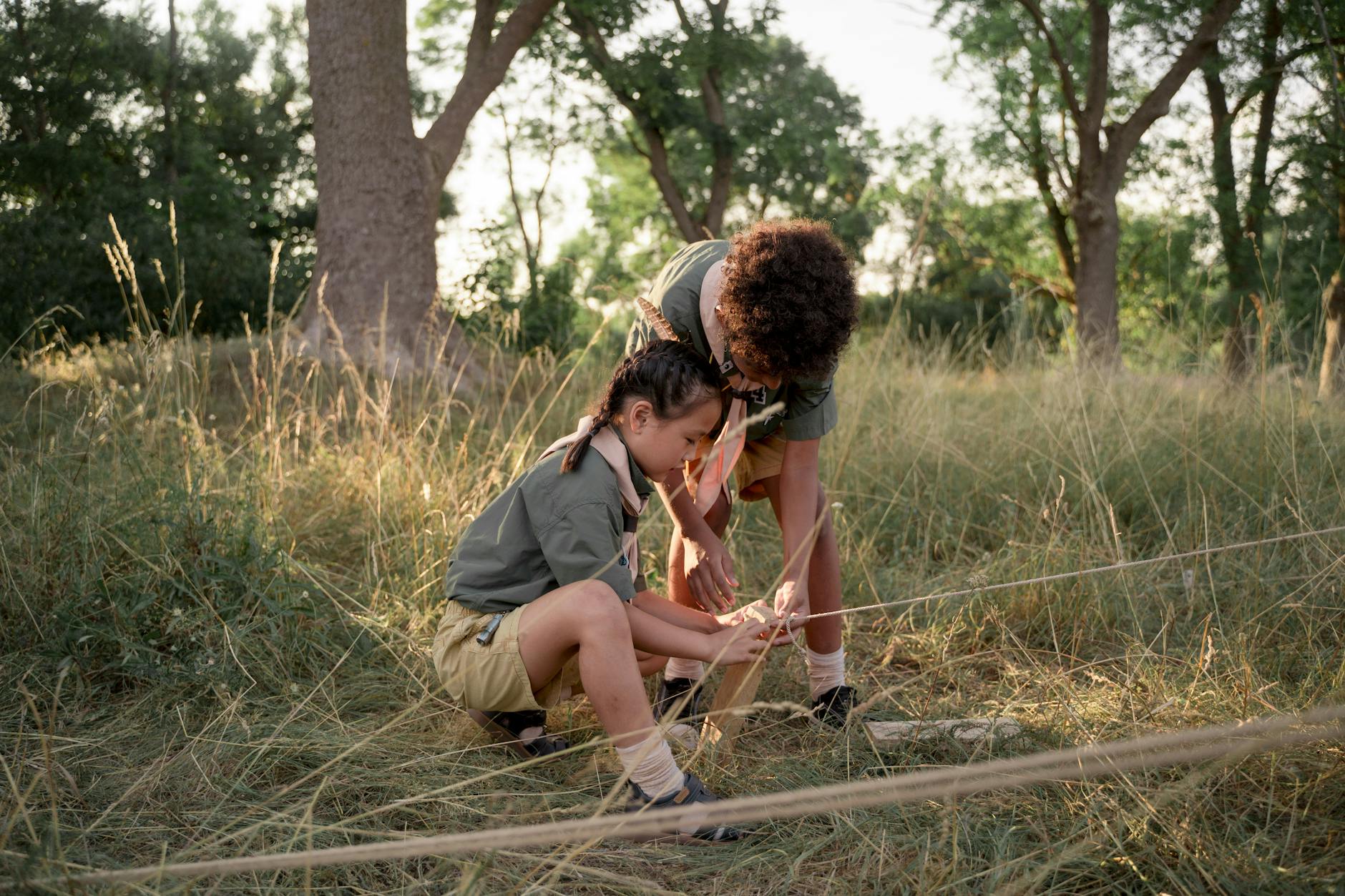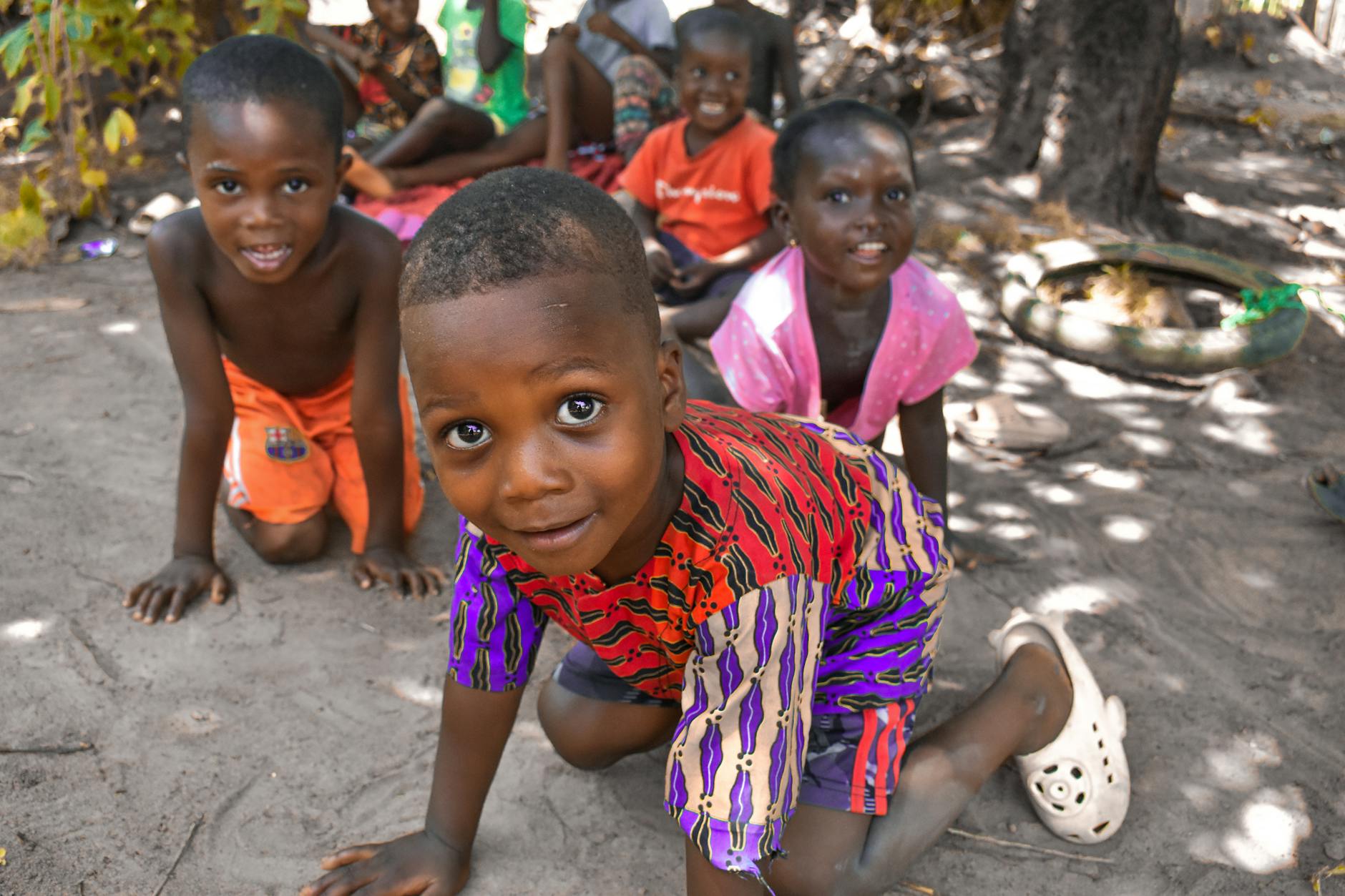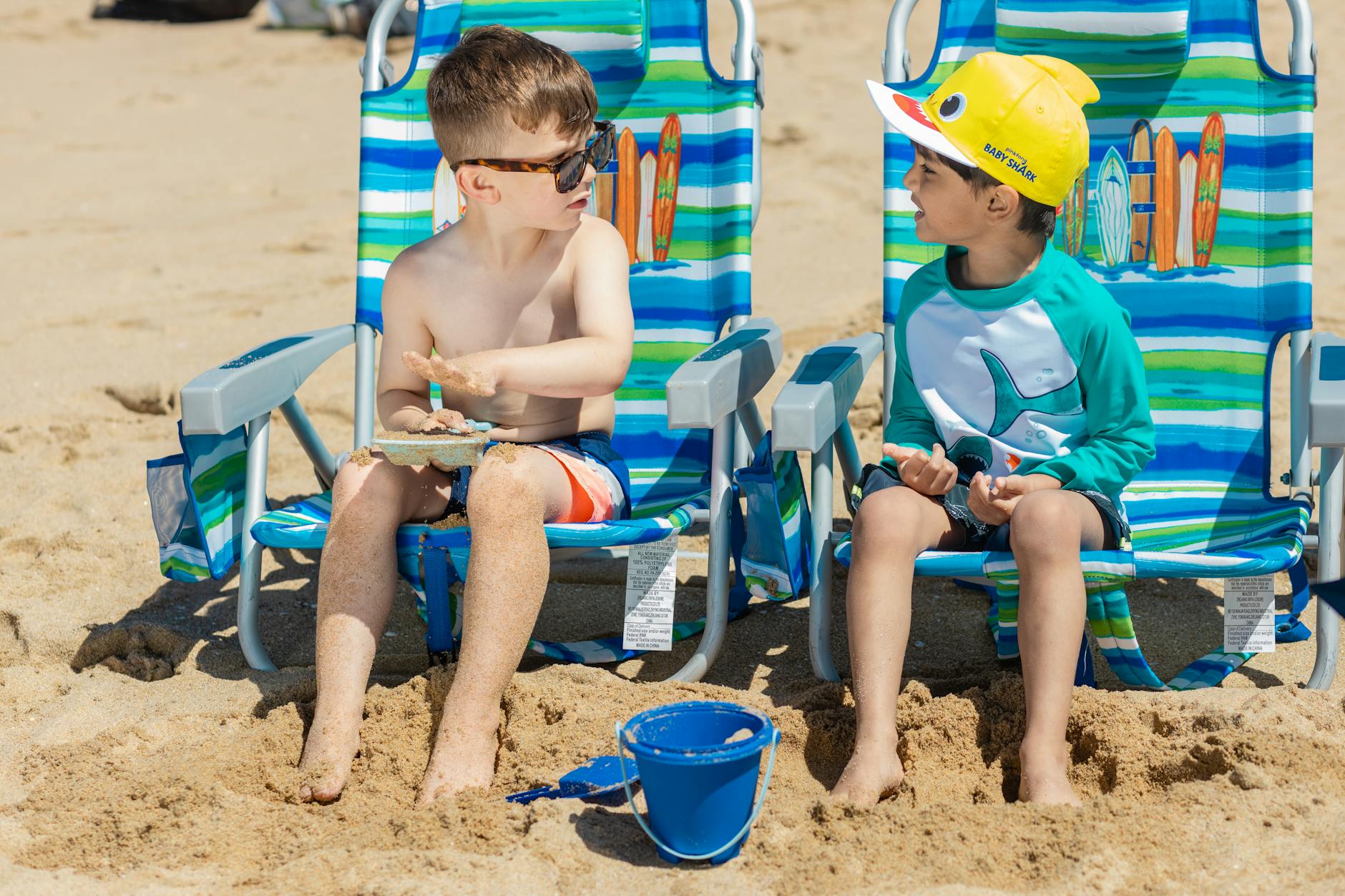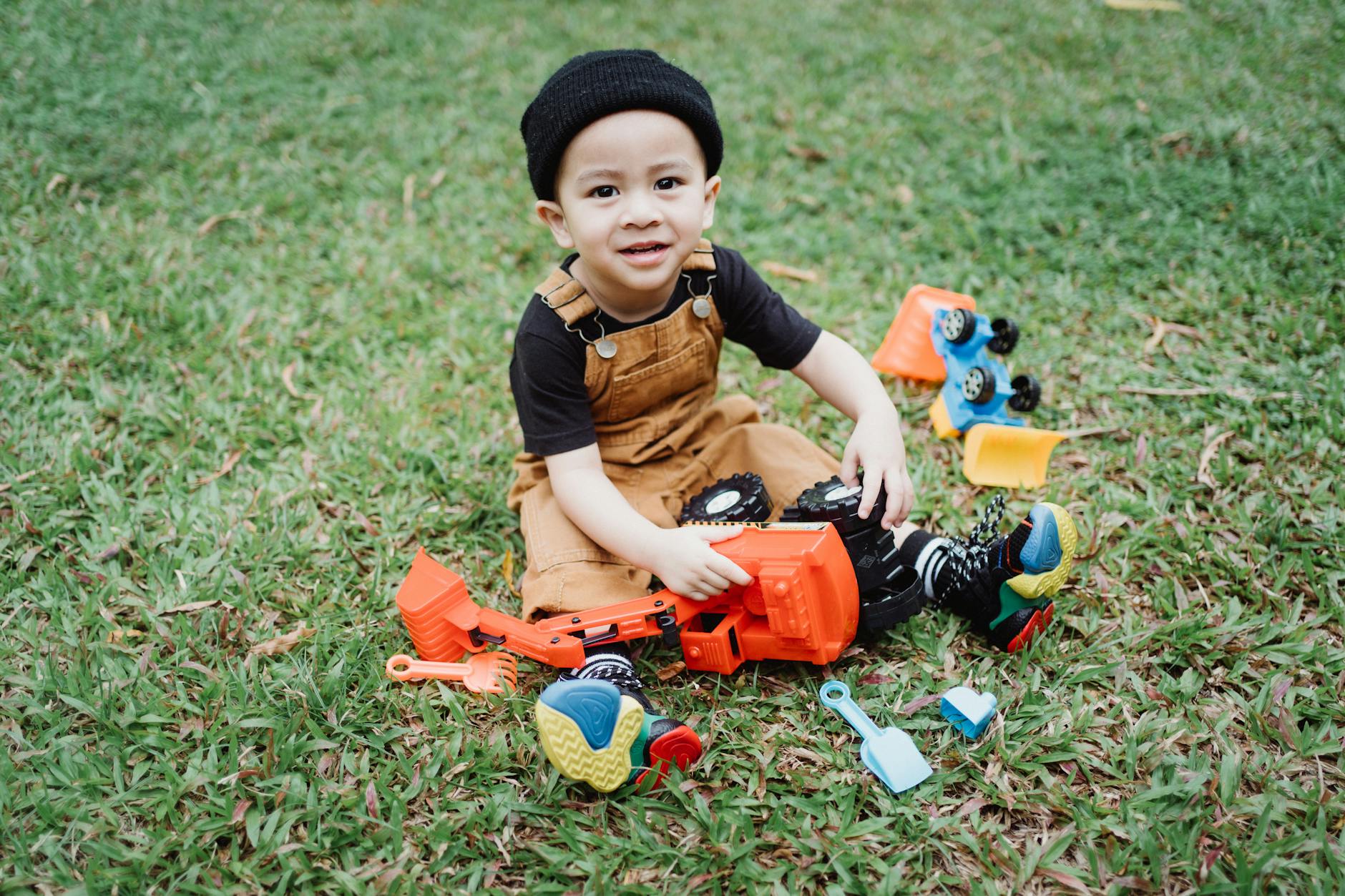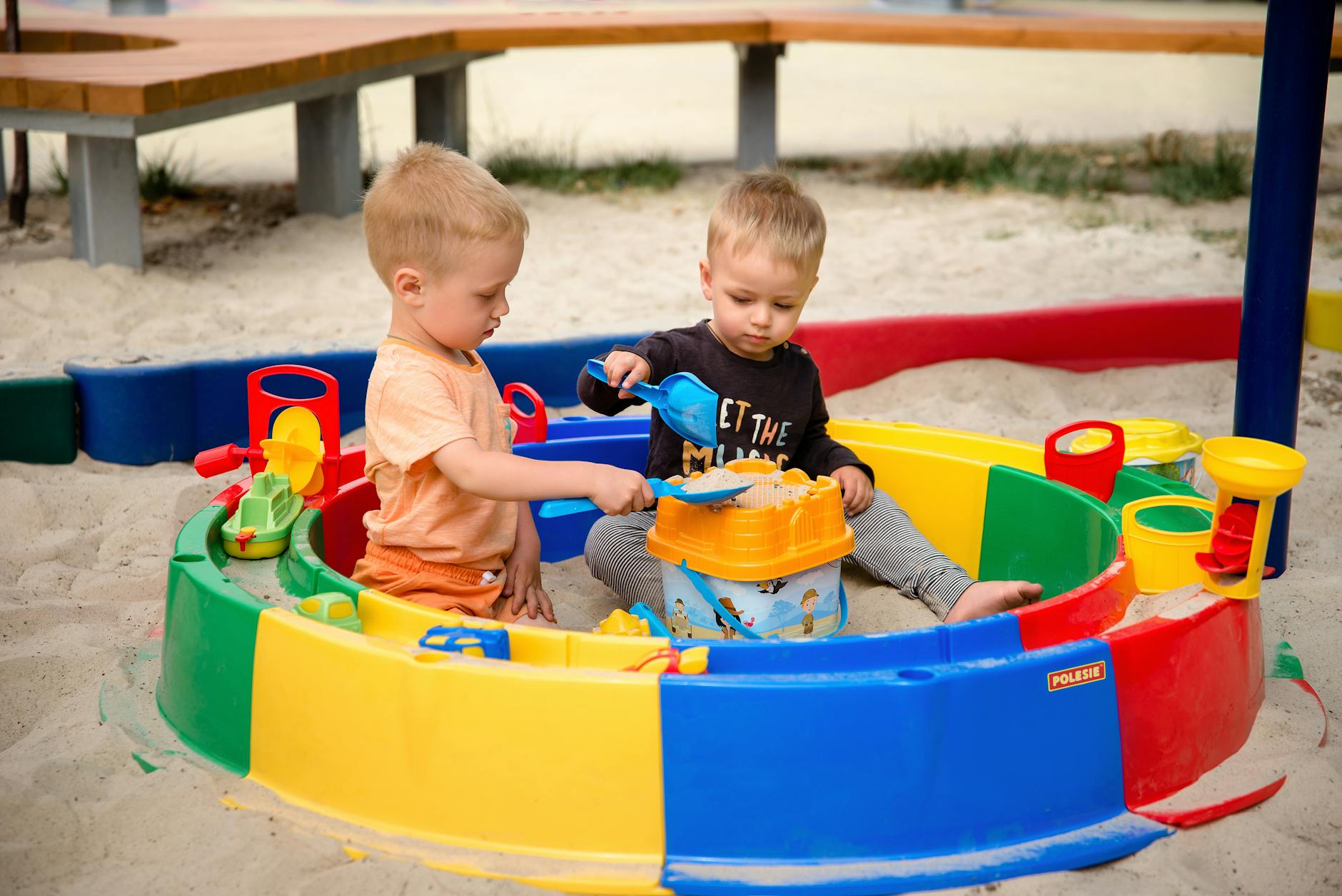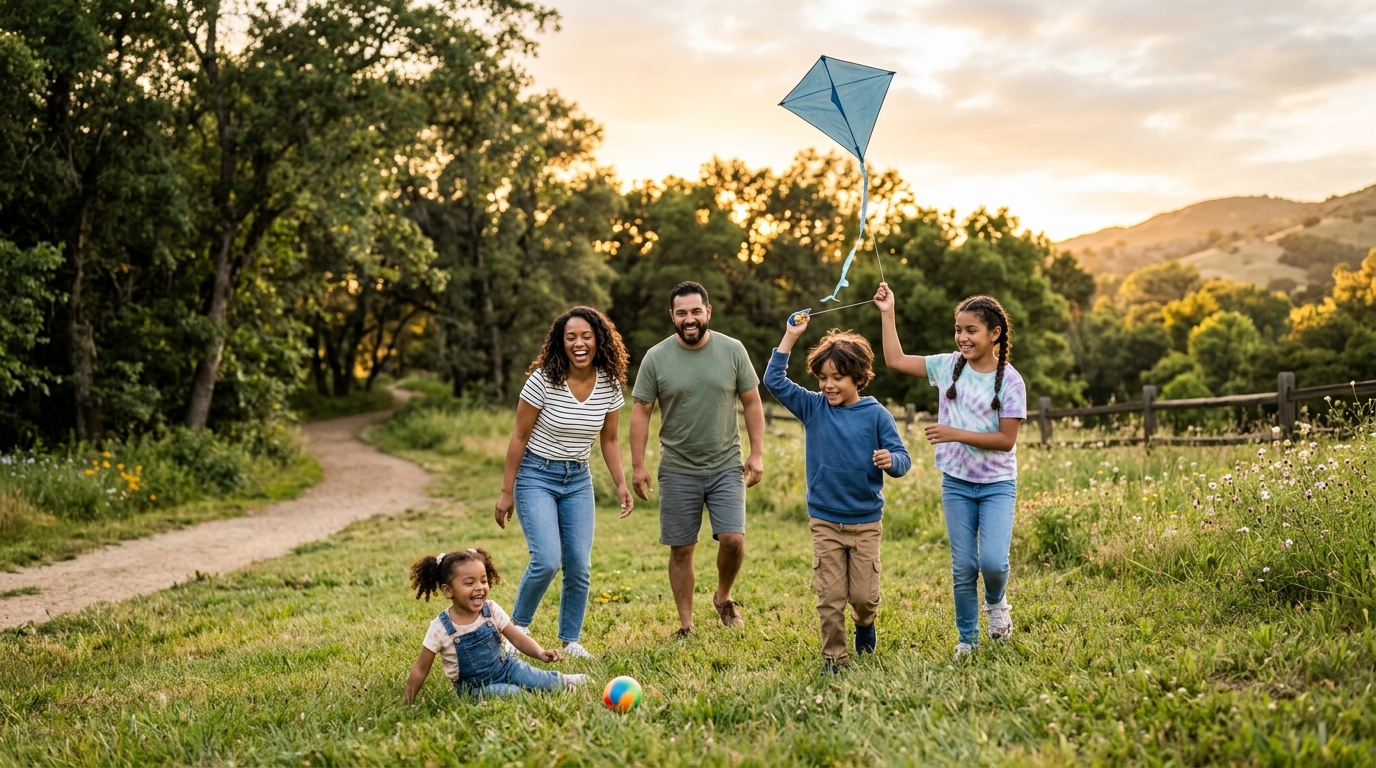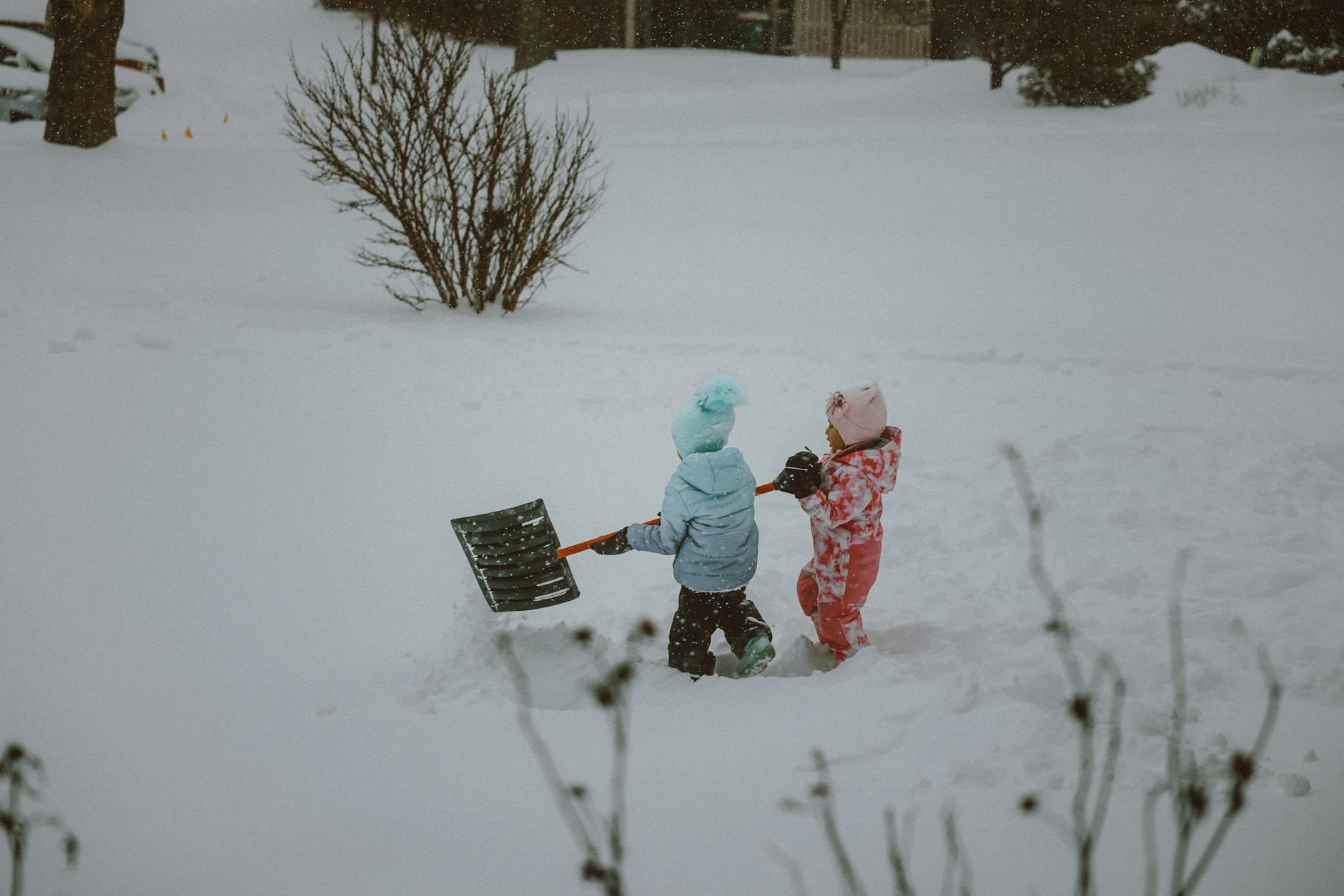
City toddlers get meaningful outdoor time through neighborhood parks, green strips, rooftop areas, and splash pads — you do not need a backyard to build a nature routine. Parents in urban environments who make outdoor time a daily default (even 20-30 minutes) report toddlers who self-regulate better, sleep more consistently, and show stronger gross motor skills than peers who stay primarily indoors.
Blog
-

What Outdoor Toys Do Kids Actually Ask to Play With?
The outdoor toys kids ask for most are throwing and catching games, foam boomerangs, and launch-and-chase toys — gear that delivers immediate movement payoff without requiring athletic skill or adult setup. Children ages 3-12 consistently return to the same category of simple, high-motion outdoor toys that parents can hand over and walk away from.
-

What Outdoor Gear Do Kids Actually Use When Camping?
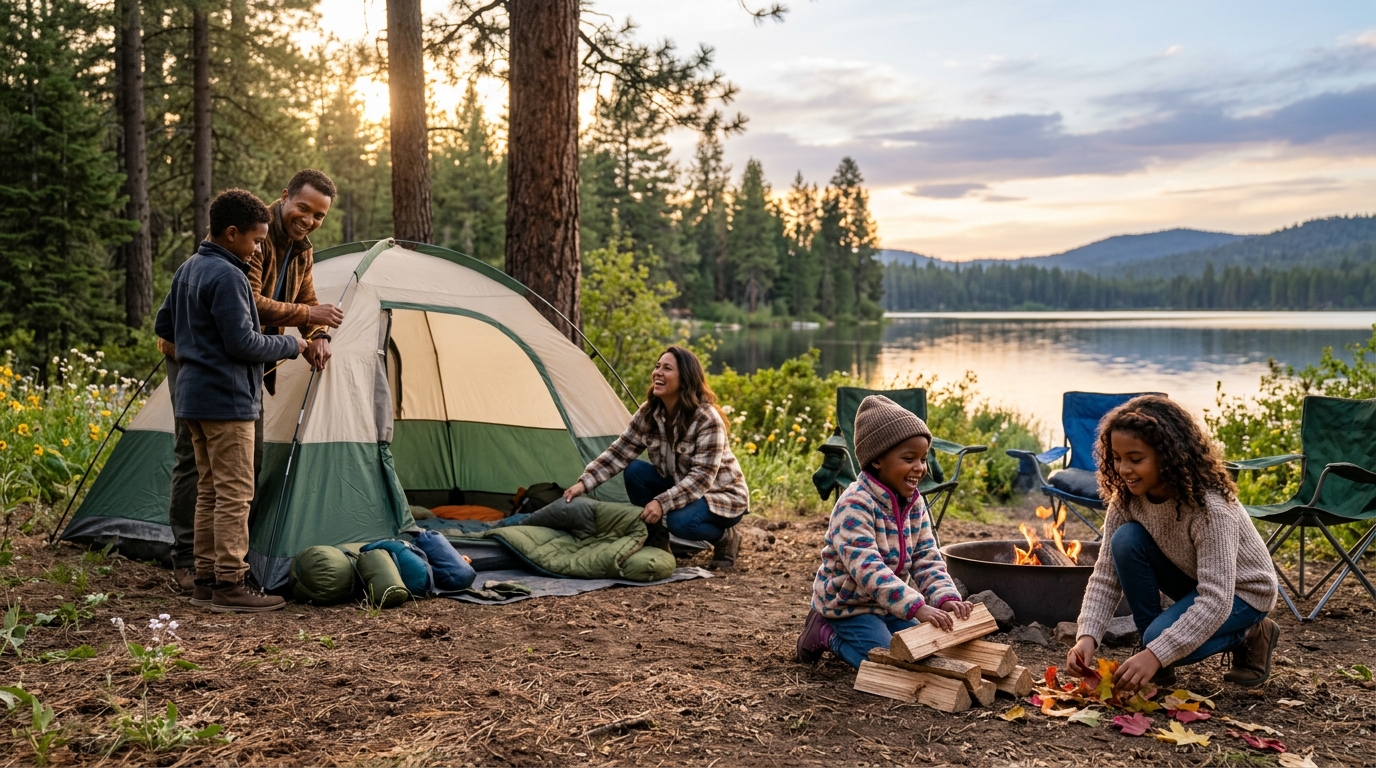
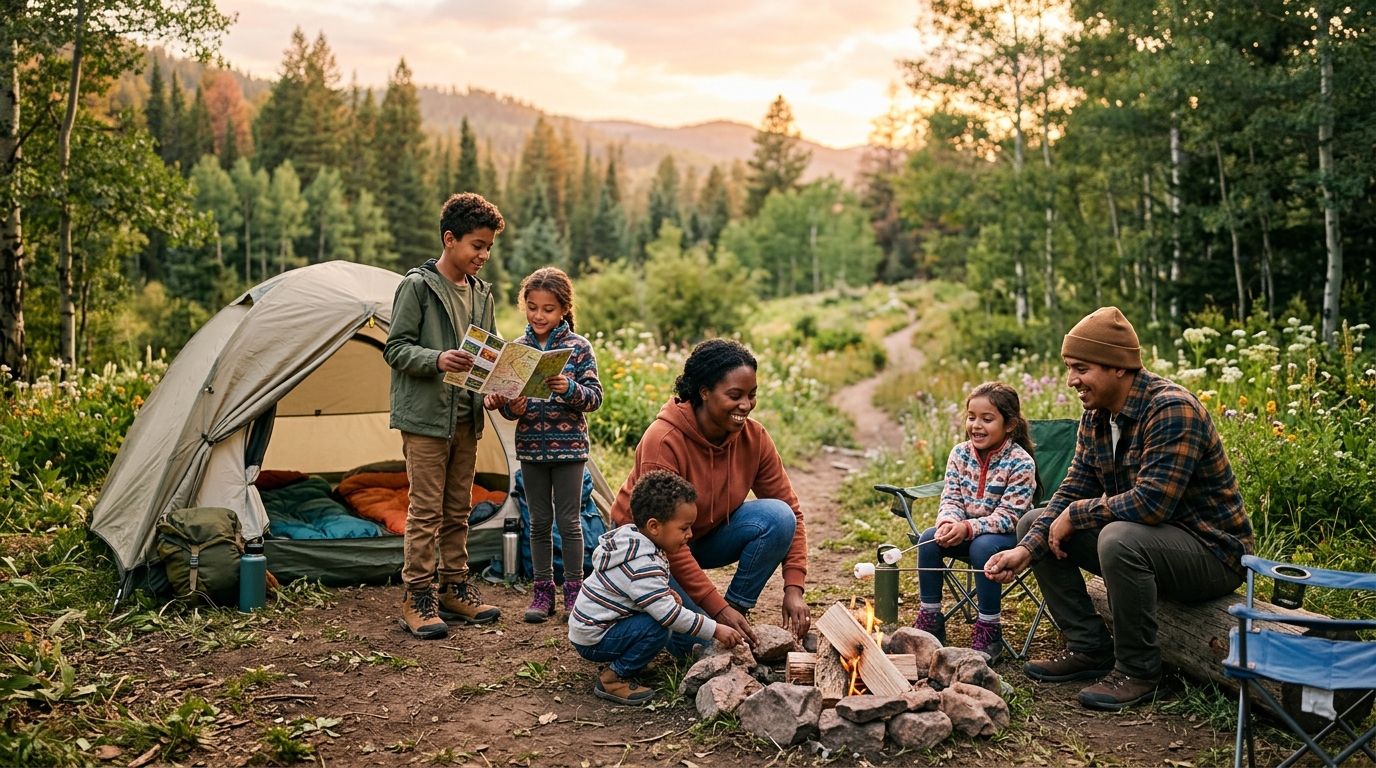
Kids ages 3-12 use outdoor gear at campsites when it is lightweight, instantly engaging, and needs zero setup. Camping trips succeed for families when active play toys travel in a tote bag and kids can start playing within 30 seconds of arrival — no instructions, no assembly, no adult facilitation required.
-

What Are the Most Common Family Camping Mistakes (And How Do You Avoid Them)?
The most common family camping mistakes are predictable, avoidable, and surprisingly consistent across first-timers: wrong sleeping bag temperatures, single fire-starting method, food storage failures, and no plan for when kids get bored. Knowing these in advance saves the trip. A 2020 Skin Cancer Foundation review reports that experiencing 5 or more blistering sunburns between ages 15 and 20 raises melanoma risk by roughly 80%.
-

How Do You Start Camping With Young Kids? A Beginner Mom’s Real Guide
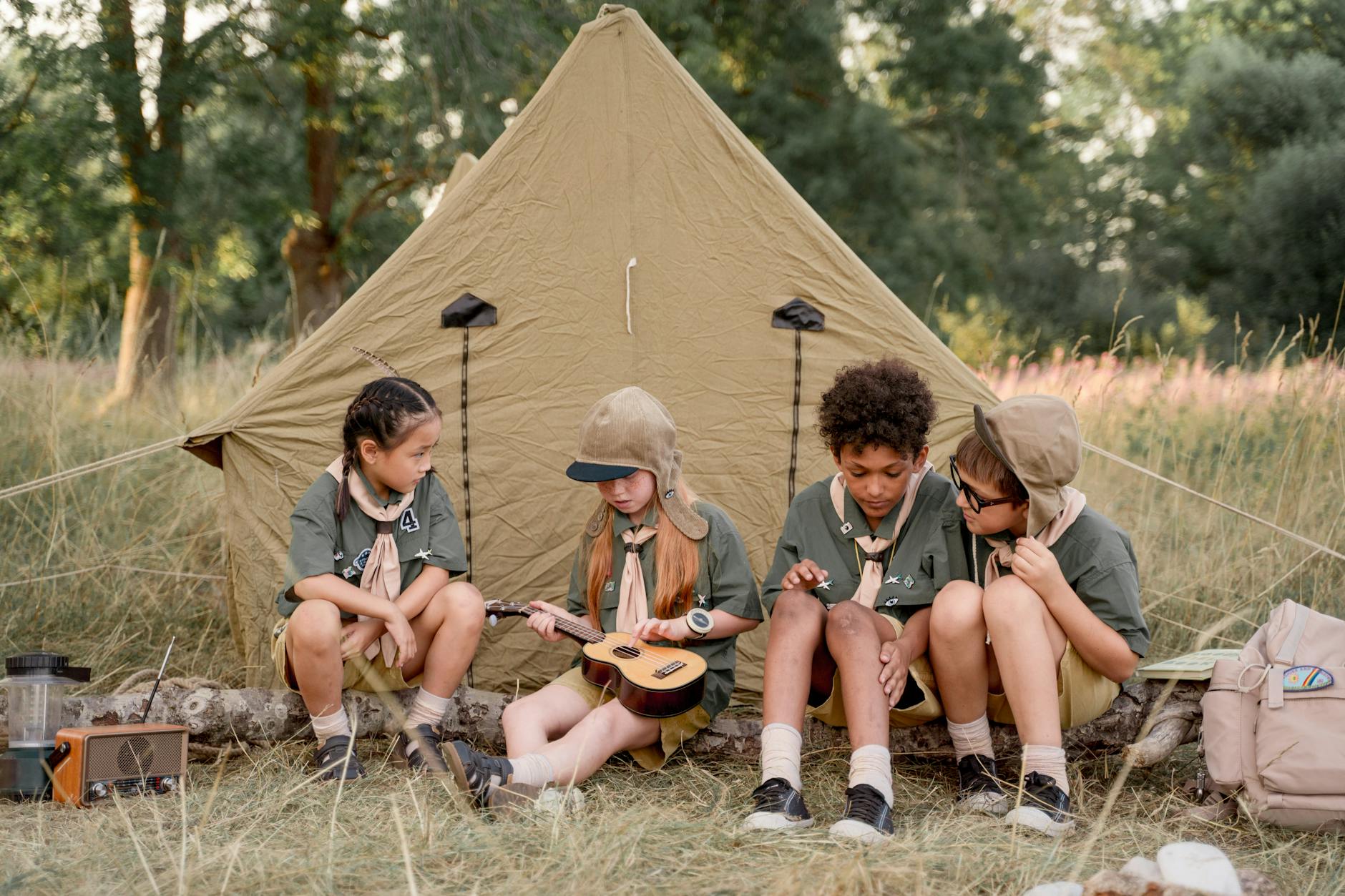
Starting camping with young kids ages 5-10 is genuinely manageable — the key is treating the first trip as a practice run, not a wilderness adventure. Pick a campground with bathrooms, pack more food than you think you need, and bring two or three lightweight outdoor toys for the inevitable “I’m bored” gap between activities. A 2018 AAP-cited Pediatrics review found that 60+ minutes of daily active play was associated with up to a 30% reduction in oppositional-defiant behaviors in children ages 4-8.
-

Why Is Just Hanging Out Outside With Your Kids the Best Thing You Can Do?
Simply being outside with your kids — no agenda, no organized activity — is one of the most developmentally valuable things you can offer. Outdoor time with kids builds independence, creativity, and social skills through unstructured play in a natural setting, with a present adult nearby. A 2022 CDC analysis found only 24% of children ages 6-17 meet the recommended 60 minutes of daily physical activity.
-

What Are the Best Outdoor Games and Harmless Pranks to Play With Your Kids This Spring?
The best spring outdoor games for kids combine active play with surprise — freeze tag variants, boomerang relays, water balloon tosses, and harmless pranks that get kids outside and laughing. For kids ages 3-12, the winners require no setup, reward speed and creativity, and work across mixed ages. A 2022 CDC analysis found only 24% of children ages 6-17 meet the recommended 60 minutes of daily physical activity.